- Image
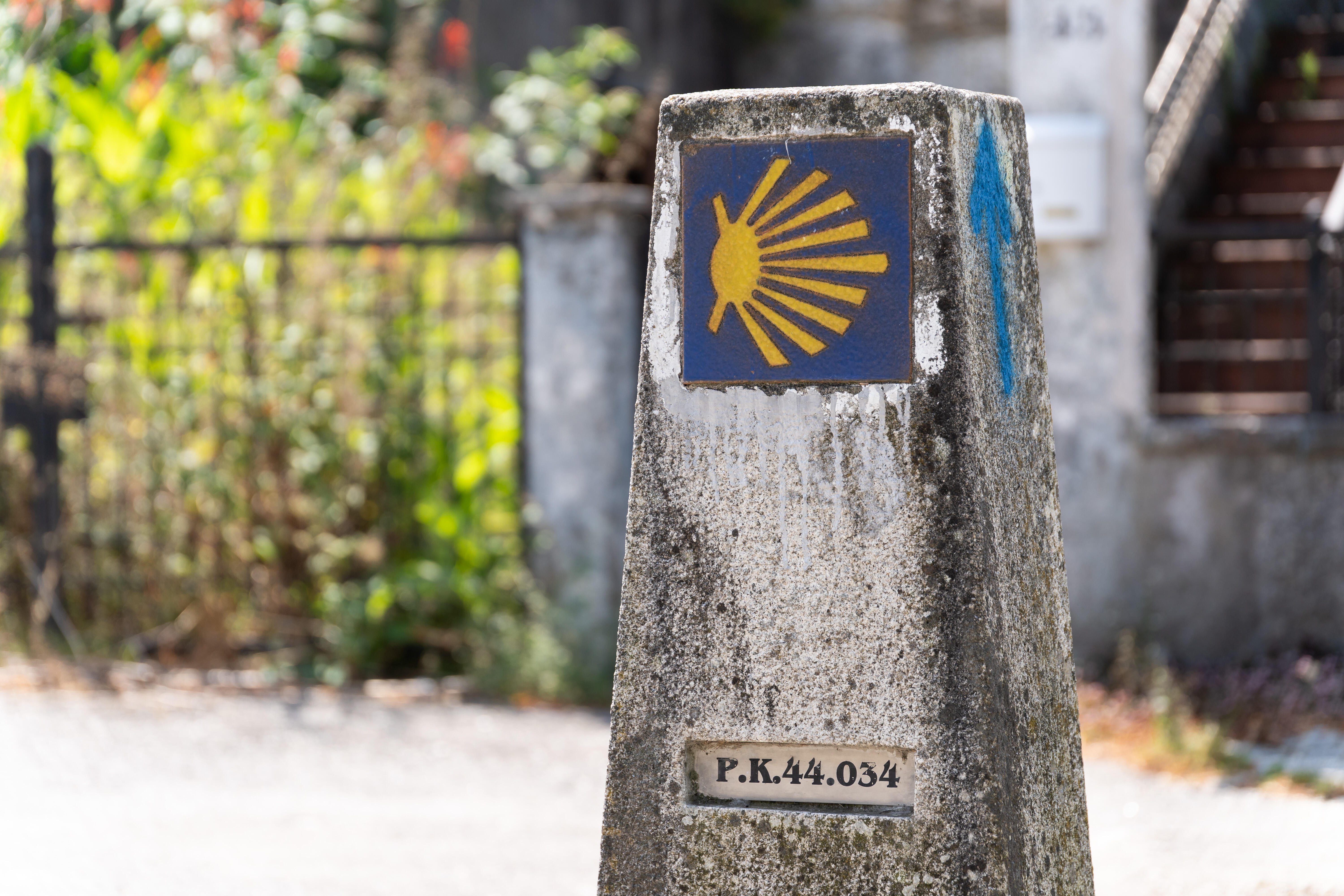
The Portuguese Route consists of old paths running smoothly towards the north while passing through forests, fields, towns, villages and historic cities in Galicia. It is on level ground and goes through several medieval bridges. There are many churches, convents, wayside shrines and cruceiros (ston…
- Image

The religious festivity honouring "Virgen de los Dolores" in the parish of Corvillón, located in the district of Cambados, is celebrated on 21 or 22 September. The celebration mainly consists of religious services.
- Image
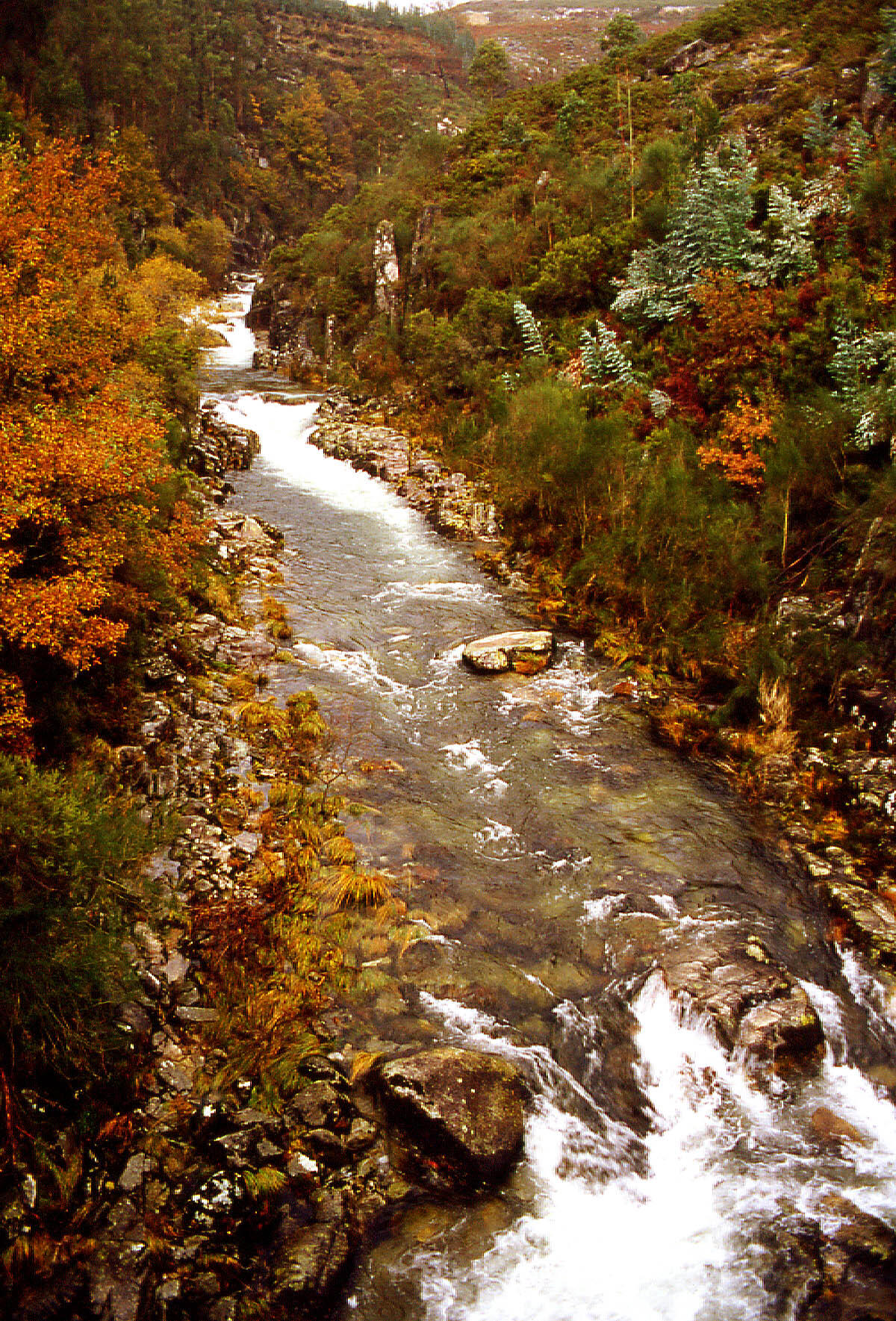
These falls join the River Xesta and the River Parada: plunging together, they form the River Oitavén.
- Image
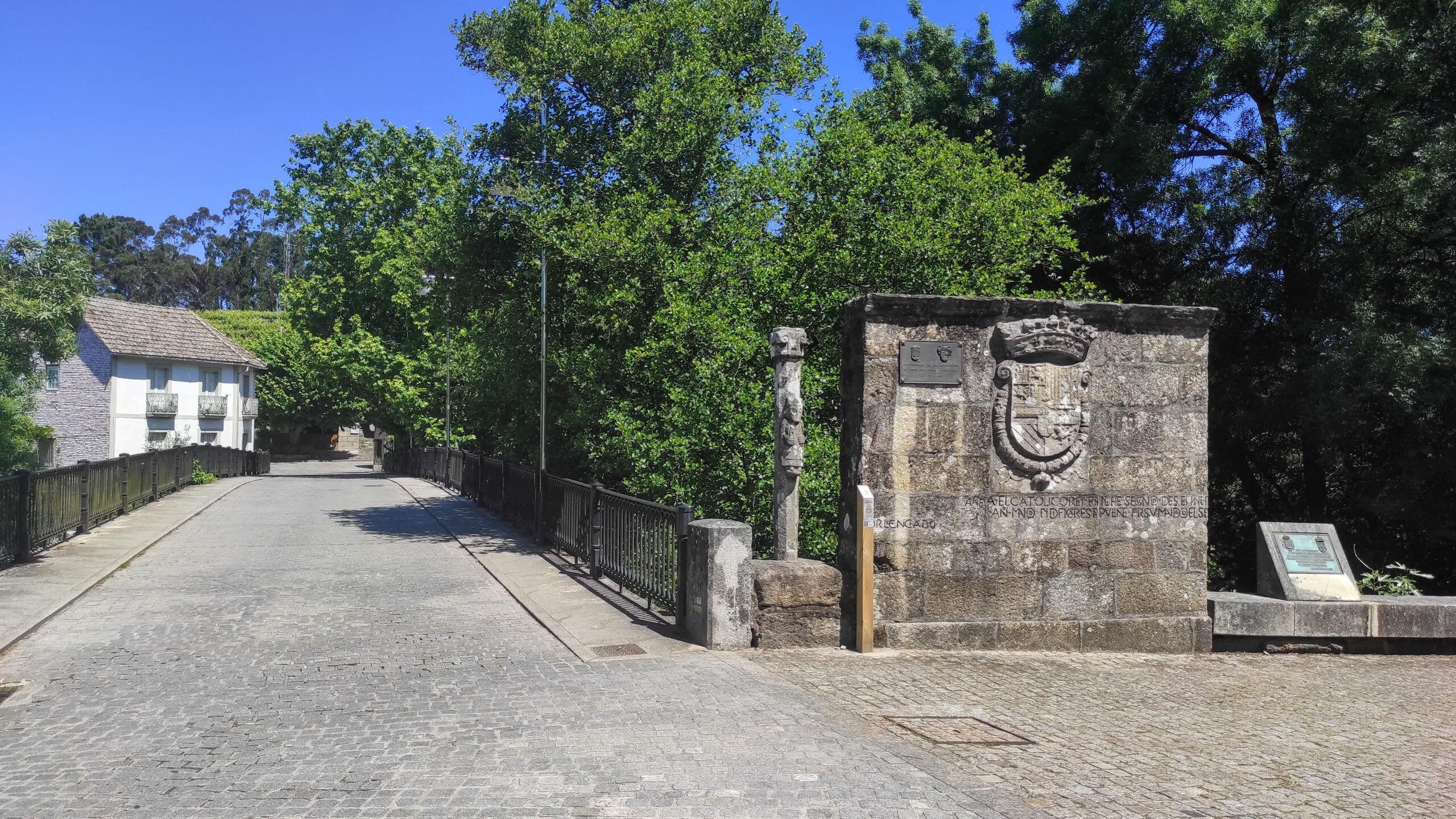
The bridge, also known as ‘Ponte dos padriños’ (Godparents' Bridge), was built in the 16th century during the reign of Philip II to connect the municipalities of Ribadumia and Vilanova de Arousa.Its name comes from a legend related to fertility rites.According to legend, a pregnant…
- Image
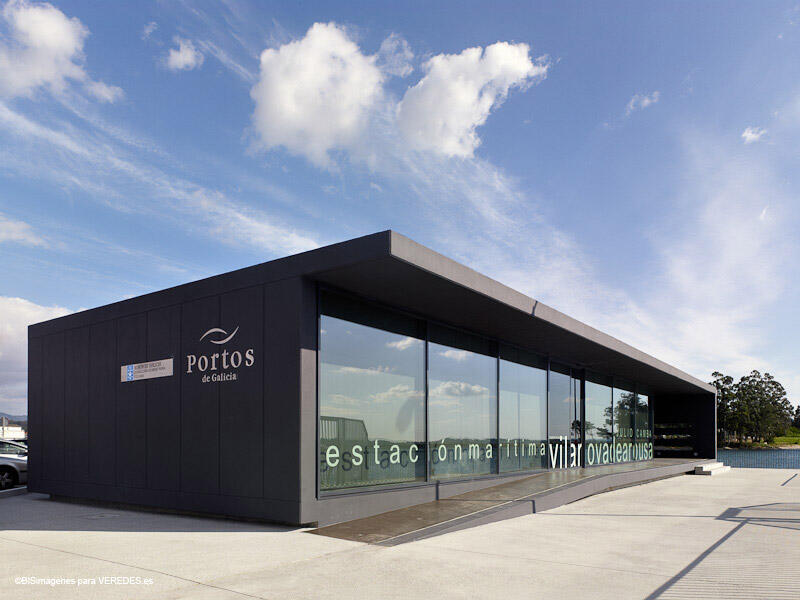
It is a facility located in the port, where passenger traffic is handled.
- Image
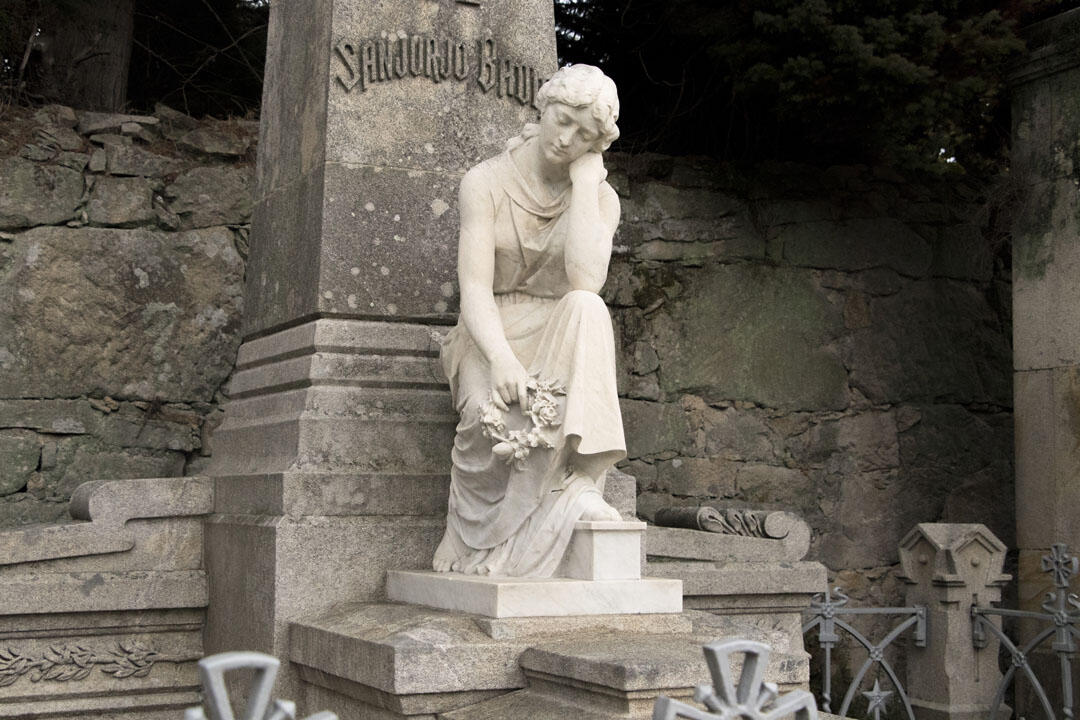
This cemetery, a work of the illustrious architect Jenaro de la Fuente, is the biggest of Vigo and popular for the richness of its sculptures. In this visit, the Dodge “Carneiro”, a perfectly preserved hearse from the 30s welcomes and invites us to discover the magnificent necropolis. One of the mos…
- Image
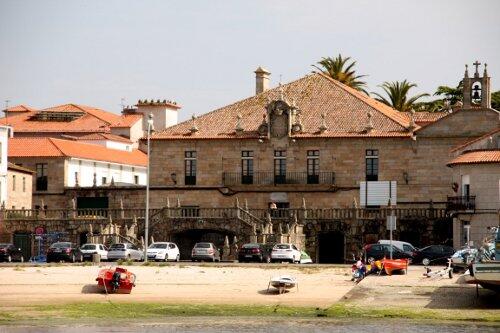
The Pazo is located on a hill with sea views -in the style of a vantage point- opposite a small square accessible by steps where Diego de Zarate y Murga, 1st Marquis of Montesacro through a decree by Felipe V, built the Baroque-style Pazo de Montesacro in the 18th century in the town of San Tomé. Of…
- Image

Located on Monte do Castro, at an altitude of 279 metres and close to the provincial boundary, the San Miguel de Castro Viewpoint is one of the most remarkable scenic spots in A Estrada. Situated alongside the Camino de Santiago, this natural balcony offers outstanding views over the meanders of…
- Image
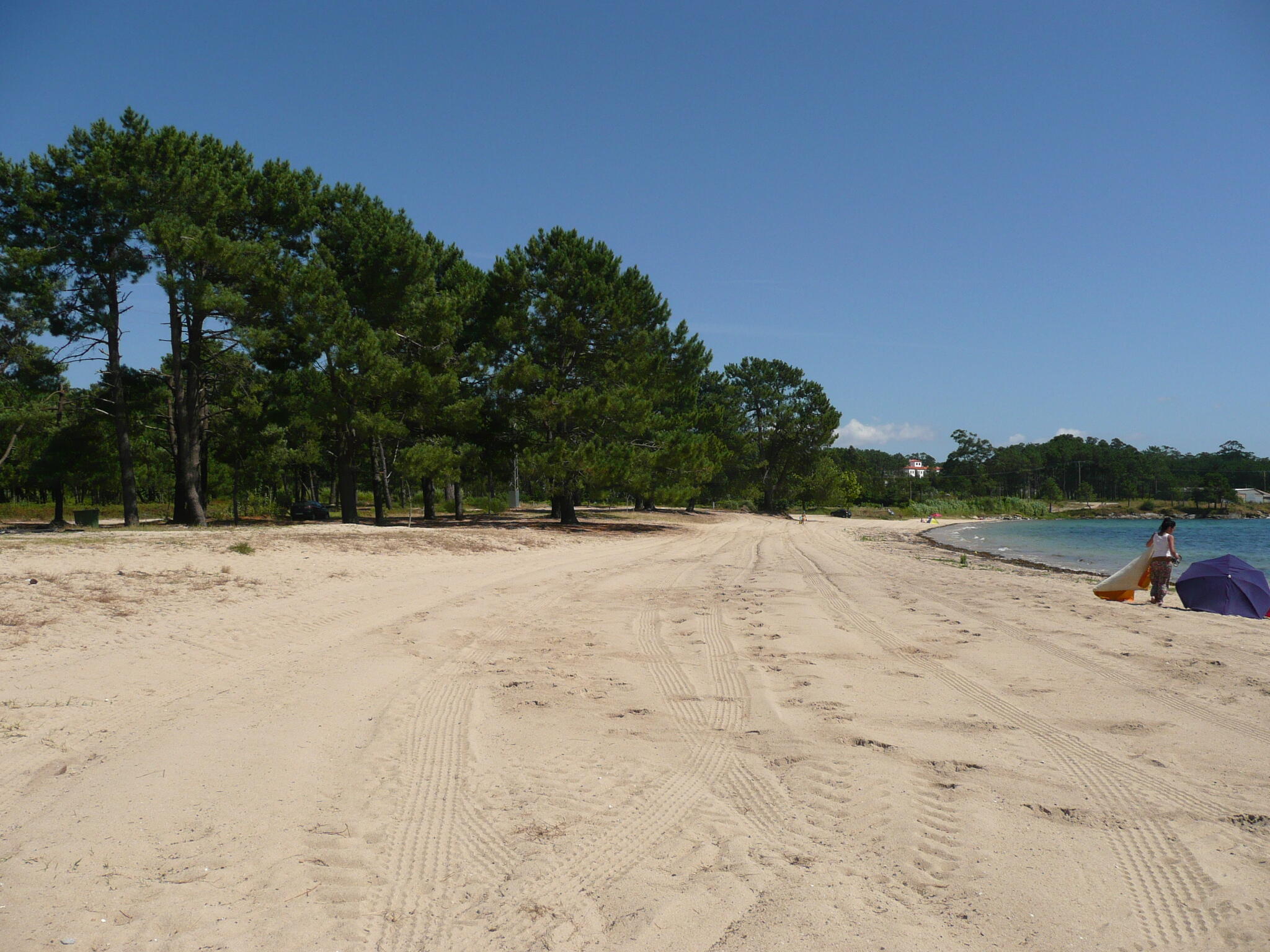
A shell-shaped beach with fine golden sand, calm waters and surrounded by pine forests.
- Image
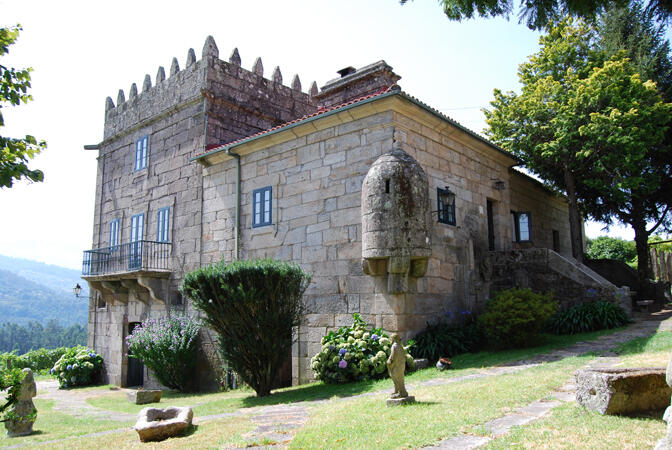
A two--storey building featuring painted masonry. Masonry-framed rectangular windows. Unlike other Pazos, here the stately aspect of the stone blends with the military flavour of the fortified structure. It currently houses the Marqués de Vizhoja winery. There is no access to the Pazo, only to the w…